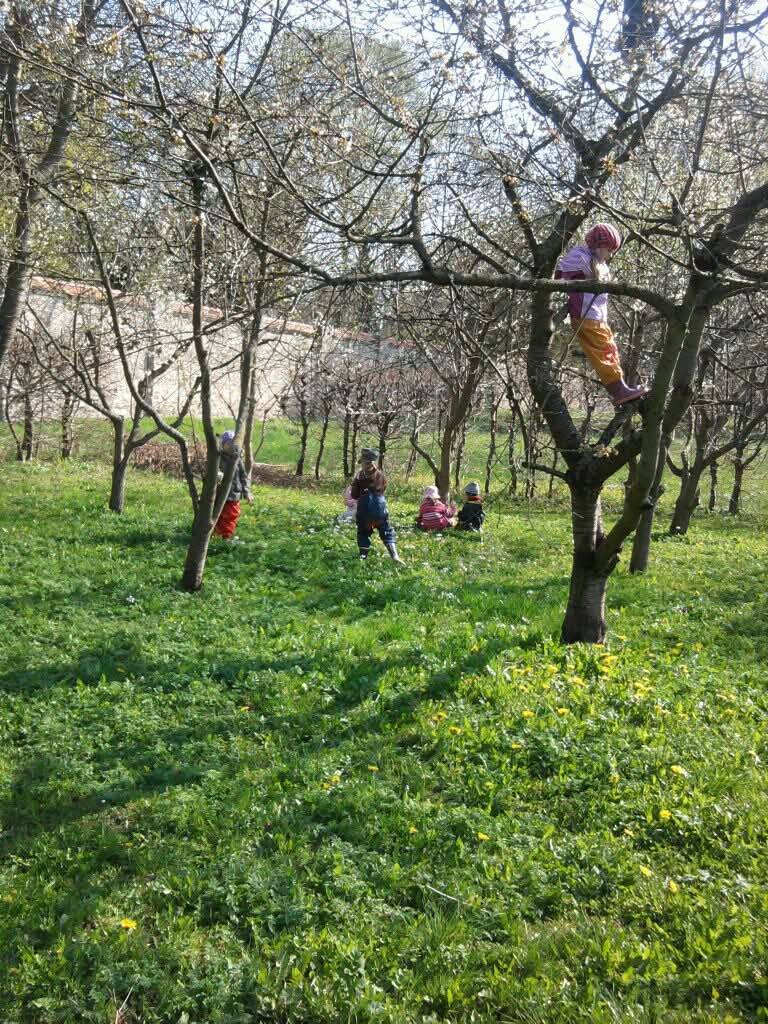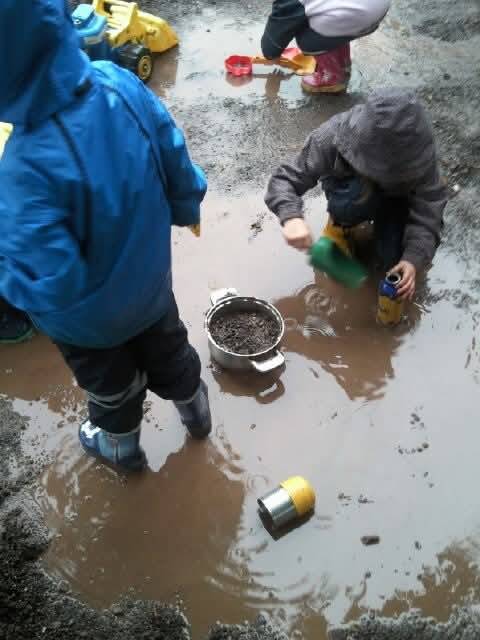
The longer I work in British childcare, the more I realise just how deeply my German childhood has shaped what I think “outdoors” should look like. Because when I say “outdoors,” I mean actual outdoors — the kind with mud, uneven ground, sticks everywhere, and grass that grows however it pleases. The kind where you come home with half the forest in your shoes and nobody bats an eyelid.
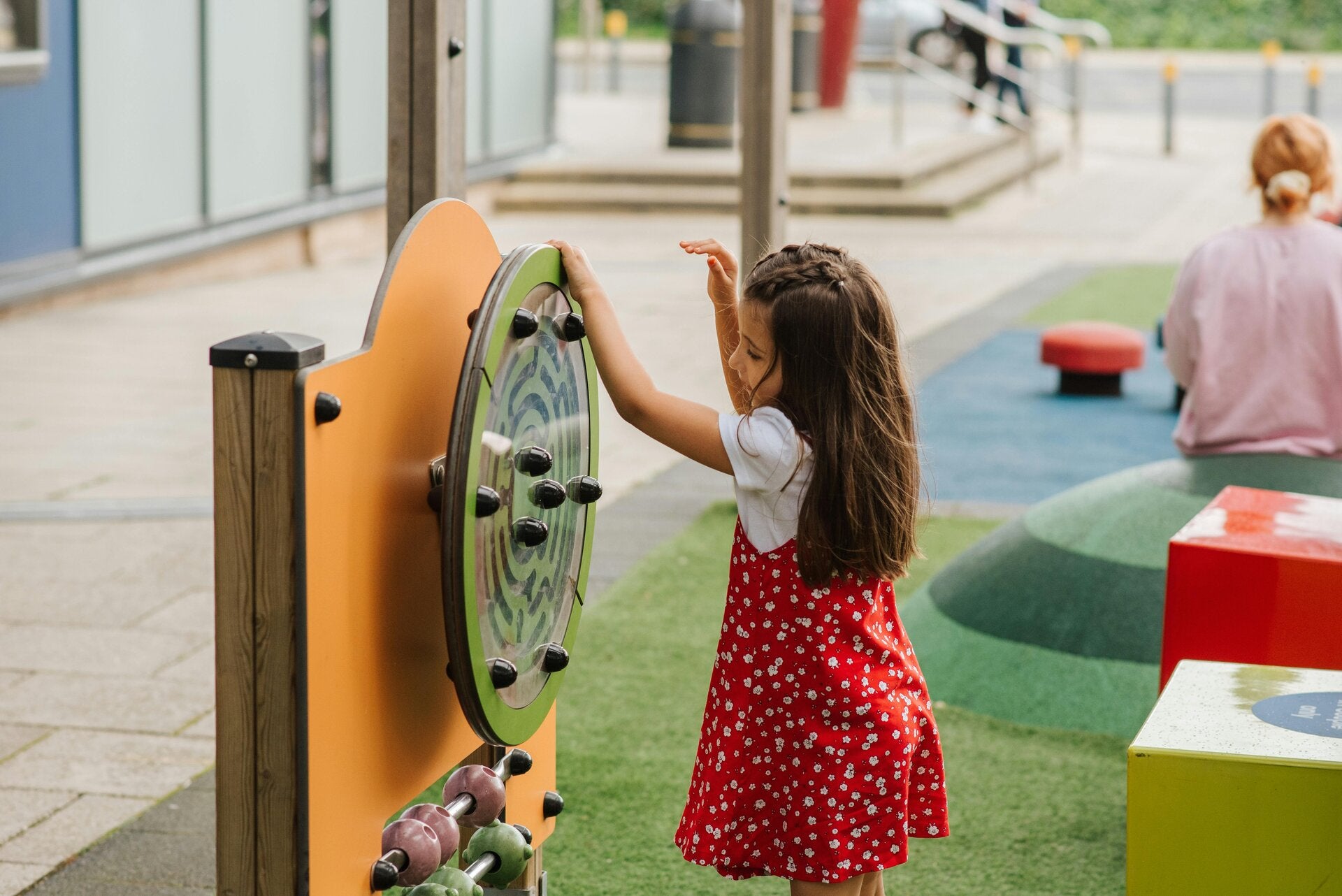
So imagine my shock when I first stepped into a British setting and was greeted by… artificial grass. A whole garden of it. A sea of green plastic so perfect it looked like it had been ironed. I remember thinking, “Where’s the mud? Where’s the wild bit? Where’s the tree that every child falls out of at least once?” But no — just turf. Endless, immaculate fake turf.
Back home in Germany, our Kita garden was basically a fenced‑in adventure. Real grass, real trees, real weather doing whatever it wanted. We climbed, we dug, we built dens out of branches we definitely weren’t supposed to drag across the playground. We learned balance by tripping over roots, not by walking on a perfectly flat surface that feels like a giant doormat.
Here in Britain, mud is something you schedule. It lives in a tray. A tray! A whole childhood experience reduced to a shallow plastic rectangle. And even then, someone will ask if the children need aprons.
German outdoor spaces say: “Go on, get messy. You’ll survive.”
British outdoor spaces say: “Please enjoy this safe, wipeable simulation of nature.”
And I know, I know — British weather, British regulations, British risk assessments that could double as bedtime reading. But sometimes I look around and think: Are we creating outdoor spaces for children, or for inspectors?
Because children don’t care if the grass is patchy. They don’t care if the ground is uneven. They don’t care if the tree is a bit wonky. They want to climb, dig, splash, fall, get up, and try again. They want the real world, not the laminated version.
I miss the German approach — the trust, the freedom, the “let them figure it out” attitude. I miss seeing children knee‑deep in mud without anyone panicking. I miss outdoor areas that feel alive, not curated.
British children deserve that too. A bit of wildness. A bit of risk. A bit of real grass that actually grows and dies and gets muddy and comes back again. Not just the national plant of Britain: artificial turf.
Maybe one day we’ll find a balance. Until then, I’ll be over here, quietly mourning the loss of real mud while brushing tiny plastic grass blades off my shoes.