

Where things get interesting: a different perspective
Welcome to the corner of the blog where we peel back the layers and get a little bit cheeky. Here, we're not just talking about childcare; we're diving into the real nitty-gritty of how our little ones are growing up across Europe. Prepare for some deeper insights, a sprinkle of sarcasm, and a whole lot to think about.
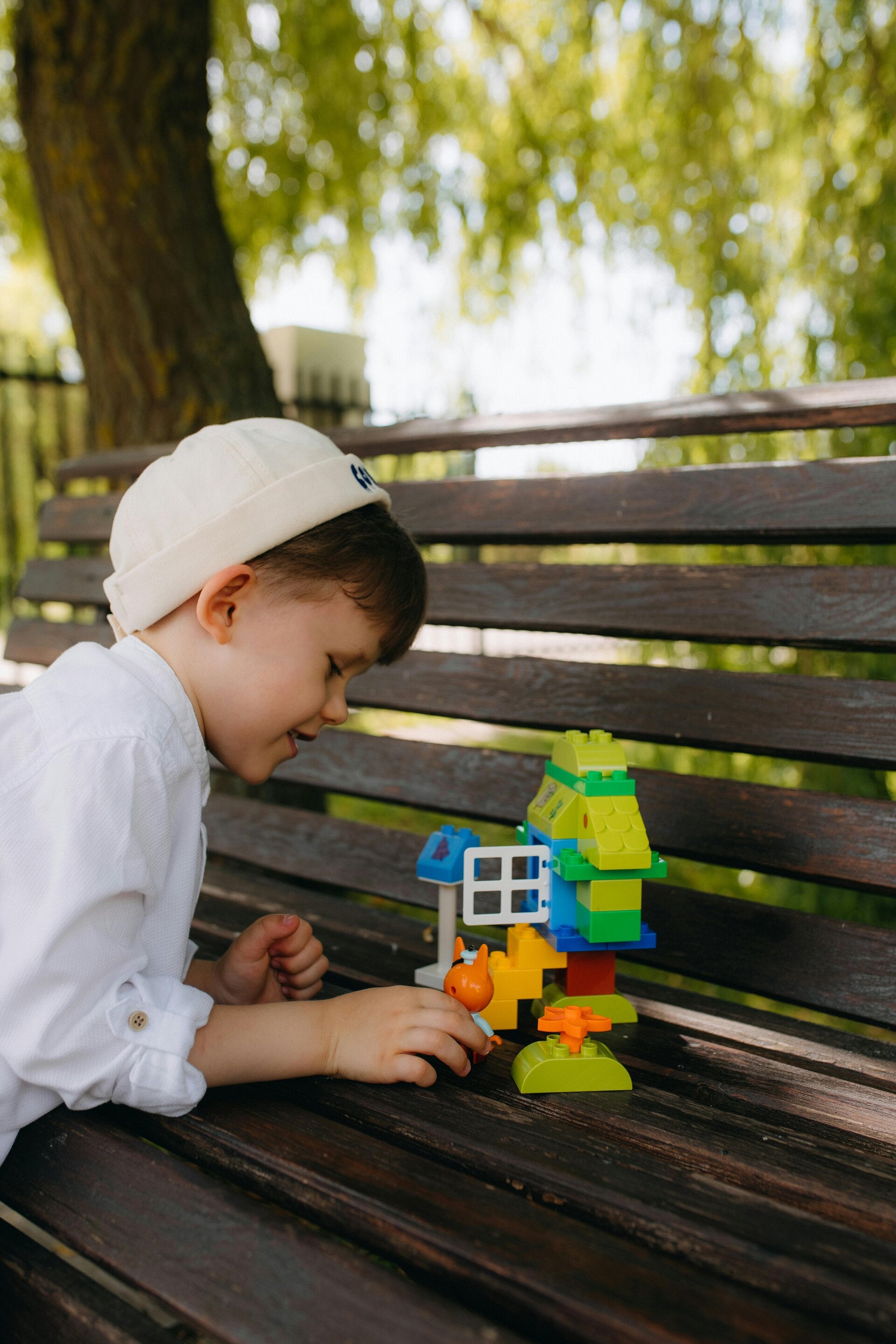
Beyond the daily routine: growing up in Europe
Ever wondered how children across Europe experience childhood? We're taking a closer look at living standards and happiness levels, comparing how different countries approach the monumental task of raising the next generation. From the sun-drenched playgrounds of Spain to the structured settings of Germany, we'll explore what truly makes a difference in a child's development, always with a critical eye and a touch of that famous German humour.

Is all that money truly worth it?
Parents, educators, and the simply curious, this one’s for you. We delve into the often-debated topic of childcare costs. Are we getting value for money, or are we simply caught in a system that demands more than it delivers? Through a blend of factual observation and a healthy dose of sarcasm, we'll encourage you to think critically about the investments we make in our children's early years. It’s time to question the status quo.

What now? Let's keep the conversation going!
We hope this page has sparked a few thoughts and perhaps even a chuckle or two. The goal here isn't to give you all the answers, but to encourage you to ponder the bigger picture of childhood development. If you’ve enjoyed this exploration, why not dive deeper into our other articles? You might find more critical views and comparisons from the blog, "From mud hills to Pinterest corners". Also, come and find me on social media, I'd love to hear your thoughts!
From Muddy Forests to Welsh School Yards: A Genuine Reflection on Childhood in Germany and Wales
Comparing childhood in Germany and Wales is a bit like comparing a precision‑engineered system to a warm, slightly chaotic hug. Both work beautifully in their own way — but they definitely don’t run on the same settings.
Let’s start with the obvious: In Germany, children are raised with a level of independence that would make some Welsh parents clutch their pearls. Walking to school alone at seven? Completely normal. Playing outside unsupervised? Expected. Climbing a tree that looks like it’s auditioning for Casualty? Encouraged. Meanwhile in Wales, we’re still debating whether Year 3 can be trusted to zip their own coats.
Happiness levels? German children seem pretty content — probably because they spend half their lives outdoors, roaming, exploring, and generally living their best child led play fantasy. Welsh children are also happy, but in a different way: more “my teacher is lovely” and less “I have conquered this woodland and now rule it.”
School success
This is where things get interesting — and where most people get Germany completely wrong. Yes, Germany can be structured and academic… but it’s also the land of Montessori shelves, Steiner wool fairies, and Reggio‑inspired project corners that look like an art museum had a baby with a forest school.
German education isn’t just “sit down and listen.” It’s more like: “Here is a beautifully prepared environment. Please explore it with purpose, independence, and ideally without setting anything on fire.”
Children learn through projects, hands‑on materials, and a lot of self‑directed work. Montessori kids are out there choosing their own activities with the confidence of tiny CEOs. Steiner kids are knitting, painting, and living their best whimsical lives. Reggio kids are documenting their own learning like miniature researchers. It’s not rigid — it’s intentional.
Meanwhile in Wales, the vibe is different but equally lovely. Welsh schools are warm, creative, and full of teachers who could probably win awards for emotional support. There’s drama, art, group work, and a curriculum that genuinely tries to nurture the whole child. It’s less “follow the method” and more “let’s explore this together.”
So who does better? German children often leave primary school with independence, focus, and the ability to work without an adult hovering. Welsh children leave with creativity, confidence, and the emotional vocabulary of a small therapist.
Precision vs personality. Structure vs sparkle. Both brilliant in their own way.
Success later in life
Germany produces engineers, scientists, and people who take recycling more seriously than their own birthdays. Wales produces artists, musicians, rugby players, and people who can hold a conversation with a lamp post. Both successful — just in very different flavours.
Where are children happier overall?
Honestly? It’s a draw. German children get freedom, independence, and the right to roam. Welsh children get community, warmth, and teachers who genuinely care about their wellbeing.
German kids grow up sturdy; Welsh kids grow up soft in the best possible way.
And then there are the cultural extras. German children grow up with forest walks, Christmas markets, and the constant fear of disappointing a very efficient educator. Welsh children grow up with castles, rain, and the ability to sing before they can speak. Both magical. Both chaotic. Both childhood.
In the end, children in both countries do what children do best: thrive in their own environments, adapt to their cultures, and find joy in the little things — whether that’s a muddy hill in Germany or a windswept playground in Wales.